
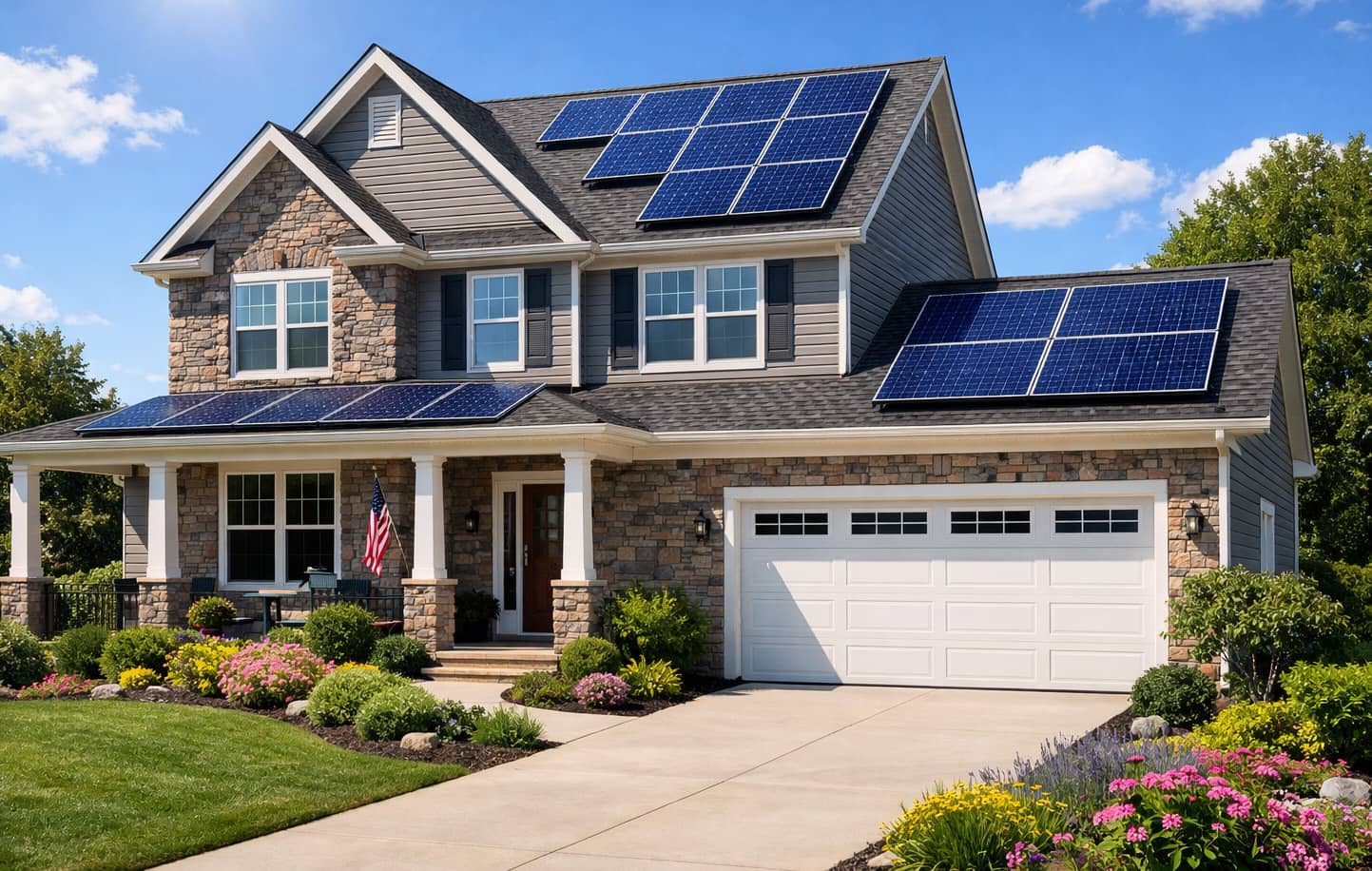
"Free" Solar Panels in California (Your Guide to Solar Incentives & $0-Down Options)
California solar has changed dramatically with Net Billing (NEM 3.0). Learn why battery storage now matters, how ownership affects your savings, and which $0-down option works best for your home. Get quotes from vetted installers and understand 2026 incentives.
Find out if you're eligible for $0-down solar in California!
Key Takeaways
"Free solar" usually means $0 upfront with financing, leasing, or PPAs—not free equipment
The 30% federal tax credit for homeowners expired Dec 31, 2025; third-party models retain access through 2027
Under Net Billing (NEM 3.0), battery storage is often critical for maximizing savings in California
Ownership structure determines who benefits from incentives and long-term financial returns
Understanding California Solar Incentives and Free Solar Panels
Getting solar panels in California has never been more accessible. With multiple $0-down financing options and generous state and federal incentives, thousands of homeowners are switching to solar energy every month. Whether you're interested in a solar loan, lease, or power purchase agreement (PPA), you can start saving on electricity costs from day one.
California leads the nation in solar adoption, and for good reason. The state offers some of the best solar incentives in the country, including SGIP rebates for battery storage, a property tax exclusion for solar installations, and various local utility incentives. Under the new Net Billing rules (NEM 3.0), pairing solar panels with battery storage has become increasingly valuable for maximizing your savings.
3 Legit $0-Down Solar Options Explained
Option 1: Solar Loan (Most Common Ownership Option)
You finance the full cost of solar + battery, often with no down payment.
Pros
- •You own the system from day one
- •Better long-term savings potential after the loan is paid off
- •More control over the asset on your home and better flexibility
- •Eligible for federal tax credits and state incentives
Cons
- •Homeowner is responsible for maintenance (usually minimal)
- •Strong credit often helps you qualify for the best terms
NEM 3.0 Logic: Under Net Billing, storing energy in a battery can be more valuable than exporting it to the grid, making solar + storage ownership increasingly attractive.
Option 2: Solar Lease (Rent the System)
Provider installs the system and keeps ownership; you pay a monthly lease payment.
Pros
- •Often $0 upfront
- •Provider typically covers maintenance and monitoring
Cons
- •You don't own the system
- •Provider typically takes incentives
- •Savings can be limited if system isn't optimized for Net Billing
Option 3: Power Purchase Agreement (PPA)
You pay for the power the system produces, often at a lower rate than your utility.
Pros
- •Often $0 upfront
- •Provider typically handles maintenance
Cons
- •You don't own the asset
- •Many contracts include annual price increases (rate escalators)
Unlock Your Solar Savings Potential
Get free, personalized solar quotes from vetted California installers. No commitment required.
Why Batteries Matter Under NEM 3.0
Timeline: Net Billing generally applies to new interconnections submitted on/after April 15, 2023
How Net Billing Works:
- 1Your home uses solar power first
- 2Excess power exported to the grid earns credits that vary with grid value
- 3Credits are NOT traditional retail net metering (typically worth less)
Bottom line: A battery helps you store power for the times it's most valuable (evening peak hours when electricity is expensive), significantly improving your savings potential under NEM 3.0.
California Solar Incentives & Rebates (2026)
| Incentive | Type | Description | Typical Value |
|---|---|---|---|
| Residential Clean Energy Credit | Federal Tax Credit | Historically 30%, but credits can't be claimed after Dec 31, 2025 expenditures (verify with IRS) | Varies by system price |
| SGIP (Self-Generation Incentive Program) | California Incentive | Provides incentives for distributed energy resources including advanced energy storage and paired solar + storage, with equity-focused funding categories | Varies by eligibility and funding status |
Important: Always verify current incentive availability and eligibility requirements, as programs and deadlines change frequently.
Why California Solar Makes Financial Sense
California's combination of abundant sunshine, high electricity rates, and generous incentives creates the perfect environment for solar energy. With an average of 5.82 peak sun hours per day and electricity costs that continue to rise, solar panels california homeowners install typically pay for themselves in 6-9 years.
Exceptional Solar Resources
California receives an average of 5.82 hours of peak sunlight per day, making it one of the sunniest states in the nation. This abundant sunshine translates directly into higher energy production from solar panels. Southern California regions like San Diego and Los Angeles can see even more sun hours, while the Central Valley and Inland Empire benefit from consistently clear skies year-round. This natural advantage means your solar investment produces more electricity per installed watt compared to cloudier states, accelerating your return on investment and maximizing long-term savings.
High Electricity Costs Drive Faster Payback
California's average residential electricity rate of $0.27 per kilowatt-hour is among the highest in the United States, significantly above the national average. These elevated rates mean every kilowatt-hour your solar system produces saves you more money compared to other states with lower electricity costs. With utility rates continuing to rise year after year, locking in your energy costs with solar becomes increasingly valuable. Many California homeowners see payback periods of 5-7 years, after which they're essentially generating free electricity for the 25-30 year lifespan of their panels.
Climate Goals and Policy Support
California has set ambitious renewable energy targets, aiming for 100% clean electricity by 2045. This commitment has resulted in comprehensive policy support for residential solar, including streamlined permitting processes, building codes that encourage solar installation, and programs like the Self-Generation Incentive Program (SGIP) for battery storage. The state's forward-thinking approach to clean energy means solar homeowners are not just saving money—they're contributing to a larger movement toward sustainable energy independence and helping California meet its climate objectives.
The Perfect Storm: When you combine California's abundant sunshine, premium electricity rates, generous incentives, and supportive regulatory environment, you create the most compelling financial case for solar energy in the entire country. It's no wonder California leads the nation in residential solar installations.
Frequently Asked Questions About Free Solar Panels in California
Sources & References
What California Homeowners Say
Join thousands of California homeowners who've made the switch to solar.
"After comparing three quotes, I chose the installer that best fit my budget. My electric bill went from $280 to $45 a month. The whole process took less than three weeks from approval to installation."
Maria T.
Fresno, CA
"I was worried about the upfront cost, but the financing options made it affordable. Now my solar payment is less than what I was paying PG&E. Wish I'd done this years ago."
Robert H.
San Jose, CA
"California incentives and rebates made a huge difference. My electric bill is now a fraction of what I used to pay, and my home value increased. Best investment we've made for our family."
Lisa M.
Bakersfield, CA
Ready to Start Saving with Solar?
Get free, personalized solar quotes from vetted California installers. No commitment required.